
Car Insurance After License Reinstatement — Indiana
Free to compare
The Coverage Window Opens the Day Your License Returns
You've cleared the reinstatement process. The Indiana Bureau of Motor Vehicles accepted your $250 fee, verified your SR-22 filing, and returned your driving privileges. You're legal to drive again. The question now is whether you're still locked into the non-standard insurance tier that carried you through suspension, or whether you can move to a standard carrier at a lower premium.
The answer depends on two timing windows most reinstated drivers don't know exist. First: your SR-22 filing obligation continues for 3 years measured from the conviction date, not the reinstatement date. If you were suspended for 6 months, you still have 2.5 years of required SR-22 filing ahead of you. Second: most carriers re-evaluate your risk tier 6 to 12 months after reinstatement if your record stays clean during that window. Understanding both timelines shapes every coverage decision you make in the months ahead.
“A single day of coverage lapse during your 3-year SR-22 window triggers BMV re-suspension through the INSPECT system.”

Get Insured and Get Your Indiana License Back
Get My Indiana Suspended License Insurance Quote$250
Indiana Reinstatement Base Fee
This is the administrative fee the Indiana BMV collects to restore your driving privileges after most suspensions. OWI-related suspensions escalate to $500 for a second offense. The fee does not include insurance costs or SR-22 filing charges.
Indiana Bureau of Motor Vehicles, IC 9-29-8
SR-22 Filing Continues After Reinstatement
Indiana does not end your SR-22 obligation the day your license returns. The filing requirement runs for 3 years from the date of the conviction that triggered the suspension. If your OWI conviction occurred on March 1, 2024, and you reinstated your license on September 1, 2024 after a 6-month suspension, your SR-22 filing obligation continues until March 1, 2027. The reinstatement date resets nothing.
This means the non-owner SR-22 policy you carried during suspension must convert to an owner policy if you now have a vehicle, or remain active as non-owner coverage if you still do not own a car. Either way, the filing stays in force. If your carrier cancels the policy or you allow it to lapse, the BMV receives an electronic notification through the INSPECT system and will re-suspend your license within days.
Carriers that wrote your non-owner SR-22 during suspension (Geico, Progressive, The General, Dairyland, GAINSCO) will generally offer to convert the policy to standard owner coverage once you purchase a vehicle. The SR-22 filing transfers automatically. You do not need to re-file. The key is maintaining continuous coverage without any gap that triggers BMV action.

A single day of coverage lapse during your 3-year SR-22 window triggers BMV re-suspension. Continuous coverage is a legal requirement, not a preference.





Non-Owner to Owner Policy Conversion
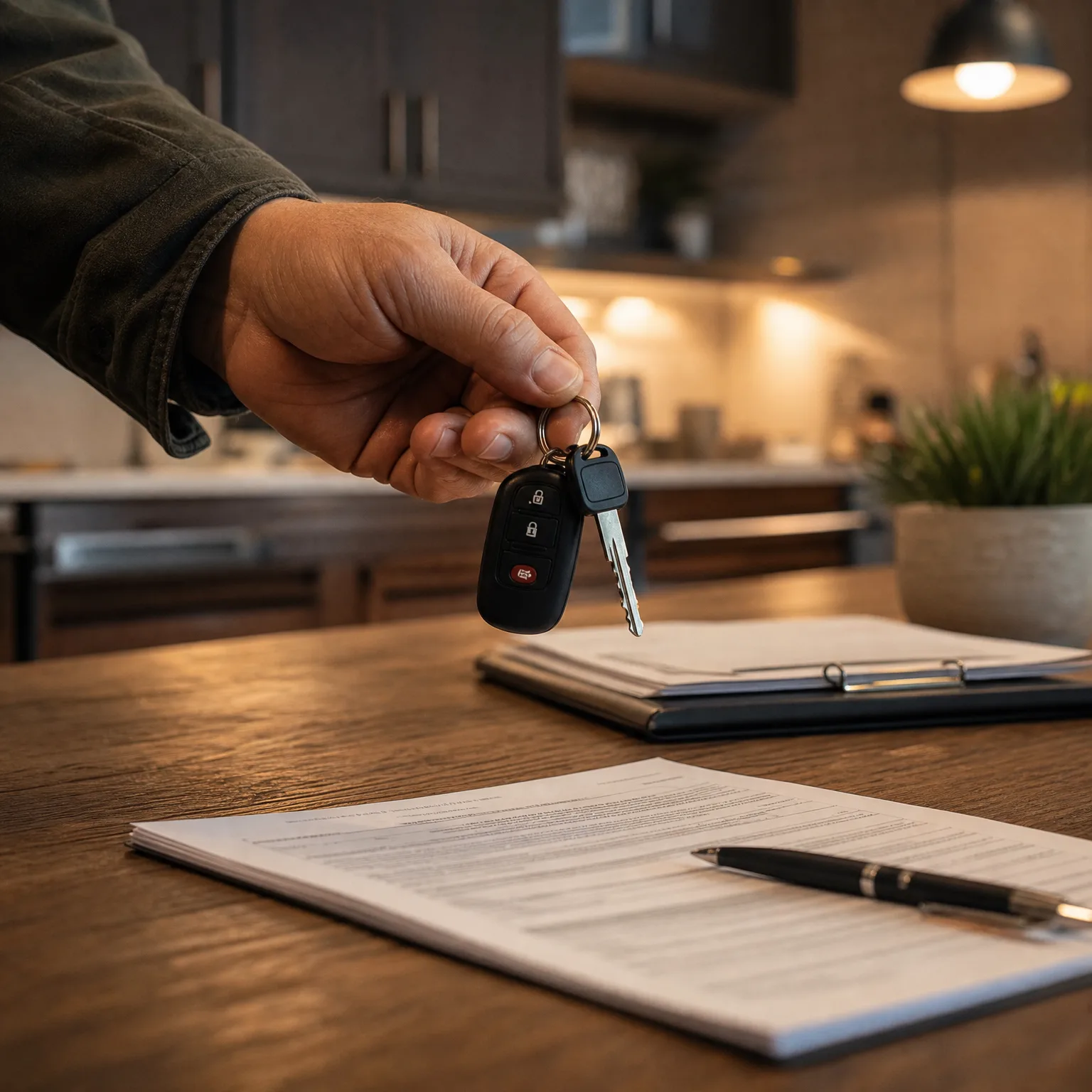
If you carried non-owner SR-22 coverage during suspension and now plan to purchase or lease a vehicle, notify your carrier before the vehicle transaction closes. Non-owner policies explicitly exclude coverage for vehicles you own or regularly use. Driving a newly purchased car on a non-owner policy leaves you uninsured, violates Indiana's financial responsibility law, and exposes you to full liability in any accident.
The conversion process takes one business day with most carriers. You provide the VIN, year, make, and model. The carrier converts the non-owner policy to a standard owner policy, adds the vehicle to the policy, recalculates your premium based on the vehicle's value and your coverage selections, and maintains the SR-22 filing without interruption. The SR-22 does not need to be re-filed. The filing certificate updates automatically to reflect the new policy structure.
Expect your premium to increase when adding a vehicle. Non-owner policies cover liability only. Owner policies cover liability plus optional collision and comprehensive. Even if you decline physical damage coverage, the baseline premium rises because the carrier now insures a specific vehicle asset. The increase varies by vehicle value, your age, and your county. A 10-year sedan in a rural county adds less to your premium than a 2-year truck in Indianapolis.
3 years
Indiana SR-22 Filing Duration
Indiana law requires SR-22 filing for 3 years following most OWI convictions and certain other violations. The period begins on the conviction date, not the reinstatement date. Early termination is not available.
IC 9-25, Indiana BMV SR-22 requirements

Shopping for Standard-Tier Coverage After 6 Months
Once you've driven 6 months post-reinstatement without violations, you become eligible for standard-tier carriers that do not specialize in high-risk drivers. State Farm, Allstate, and Nationwide write SR-22 policies but reserve them for drivers with demonstrated clean records after reinstatement. These carriers offer lower base rates than non-standard specialists because their risk pools include fewer high-risk accounts.
Request quotes from at least three carriers. Provide your reinstatement date, the conviction date that triggered your suspension, and confirmation that you've had zero violations since reinstatement. Carriers verify this through your MVR. If your record shows the 6-month clean window, standard-tier carriers will quote you. If it shows any post-reinstatement violations, they will decline or quote at non-standard rates that match or exceed what you're already paying.
Move to Standard Coverage When Your Record Supports It
The path out of elevated premiums is time plus a clean driving record. You cannot negotiate your way out. You cannot explain your way out. Carriers evaluate risk mechanically: conviction date, suspension period, reinstatement date, post-reinstatement record. If the record is clean for 6 months, re-evaluation becomes possible. If it stays clean for 12 months, preferred-tier carriers start writing quotes.
Indiana's SR-22 filing requirement lasts the full 3 years regardless of which carrier you choose or how many times you switch policies. The filing follows you. When you're ready to shop for better rates, compare carriers writing standard SR-22 policies in Indiana using the link below. Enter your county, confirm your reinstatement date, and filter for carriers that write post-reinstatement accounts with your driving history. The comparison shows monthly premiums, coverage options, and whether the carrier requires an in-person application or offers online quotes for SR-22 filers.
When Carriers Re-Evaluate Your Tier
The industry convention is a 6-month clean window before initial re-evaluation and a 12-month clean window before considering you for preferred rates. "Clean" means no violations, no at-fault accidents, no lapses, no missed payments. If you reinstated on September 1 and drive through February 28 without incident, your carrier may move you from non-standard to standard tier at your March renewal. If you accumulate another violation during that window, the clock resets.
This is why the first 12 months post-reinstatement matter more than any other period in your insurance timeline. A single speeding ticket in month 3 delays re-evaluation by another 12 months from the new ticket date. Carriers do not forgive violations just because you've already been suspended. The opposite is true: they weight post-reinstatement violations more heavily because they indicate continued high-risk behavior. Drive cleanly, maintain continuous coverage, and let time do the work of moving you back to standard rates.
Get Your Free Quote
Get My Indiana Suspended License Insurance QuoteFrequently Asked Questions
Can I drop SR-22 filing before the 3-year period ends in Indiana?
No. Indiana law mandates SR-22 filing for the full 3-year period measured from your conviction date. The BMV does not grant early termination. If your carrier cancels the SR-22 filing or you request termination before the period ends, the BMV will re-suspend your license.
Does my insurance rate automatically drop after reinstatement?
No. Reinstatement restores your license but does not change your insurance tier. Most carriers re-evaluate your rate 6 to 12 months after reinstatement if your record stays clean during that window. Violations during the clean period reset the re-evaluation clock.
Do I need to re-file SR-22 when I buy a car after reinstatement?
No. Your carrier converts your non-owner SR-22 policy to an owner policy and updates the filing automatically. The SR-22 certificate reflects the new policy structure without requiring a new filing. Notify your carrier before purchasing the vehicle to avoid any coverage gap.
What happens if I get a ticket 3 months after reinstatement?
The violation delays carrier re-evaluation by 12 months from the new ticket date. Carriers weight post-reinstatement violations more heavily than pre-suspension tickets because they indicate continued high-risk behavior. One speeding ticket can keep you in elevated-rate tiers for an additional year.
Can I switch carriers during my SR-22 filing period?
Yes. You can switch carriers as often as you want during the 3-year SR-22 period. The new carrier files a new SR-22 certificate with the BMV. The old carrier cancels their filing. Maintain continuous coverage with zero gaps between the old policy end date and the new policy start date to avoid BMV re-suspension.
Will non-owner SR-22 coverage insure a borrowed car?
Non-owner policies provide liability coverage when you drive a car you do not own or regularly use. If you borrow a friend's car occasionally, your non-owner policy covers you. If you purchase a car or use the same borrowed car daily, the non-owner policy excludes coverage and you must convert to an owner policy.
How long does it take to convert non-owner to owner SR-22 coverage?
Most carriers process the conversion in one business day. You provide the vehicle information, the carrier recalculates your premium, adds the vehicle to the policy, and updates the SR-22 filing with the BMV automatically. The SR-22 does not lapse during conversion if you initiate it before purchasing the vehicle.