
Non-Owner SR-22 Filing — Indiana
Free to compare
The Non-Owner SR-22 Gap
You sold your car after the suspension. You take the bus to work. Your roommate drives you to the grocery store. But Indiana BMV says you still need SR-22 proof of insurance to get your license back—and you're staring at standard auto insurance quotes that assume you own a vehicle.
This is the structural confusion non-owner SR-22 policies solve. Indiana doesn't require you to own a car to reinstate your license. The state requires continuous proof of financial responsibility. A non-owner SR-22 policy satisfies that requirement without insuring a specific vehicle you drive regularly.
“Indiana doesn't require you to own a car to reinstate your license—the state requires continuous proof of financial responsibility, and non-owner SR-22 satisfies that.”

Get Insured and Get Your Indiana License Back
Get My Indiana Suspended License Insurance Quote$25–$65/mo
Non-Owner SR-22 Premium Range
Non-owner policies cost substantially less than standard auto policies because they cover only your liability when driving borrowed or rental vehicles—no collision, no comprehensive, no vehicle-specific coverage. Rates vary by violation history and carrier.
Carrier rate filings, Indiana market 2025
What Non-Owner SR-22 Actually Covers
A non-owner SR-22 policy is liability-only coverage that follows you, not a car. It covers bodily injury and property damage when you drive a vehicle you don't own—a friend's car, a rental, a company vehicle for occasional errands. Indiana minimum liability limits apply: $25,000 per person bodily injury, $50,000 per accident bodily injury, $25,000 property damage.
The policy does not cover a vehicle you own, lease, or use regularly. If you later buy a car, you must convert to a standard auto policy before driving it. The SR-22 filing transfers when you switch—you don't start the 3-year filing period over.
The SR-22 certificate itself is a rider the carrier files electronically with Indiana BMV proving you maintain continuous coverage. The carrier notifies BMV immediately if you cancel or lapse. That notification triggers automatic re-suspension of your driving privileges.

Indiana BMV receives SR-22 cancellation notices within 24 hours through the INSPECT system. Your license suspends again the day the carrier reports the lapse—no grace period, no warning letter.





The Probationary License Window
Indiana offers Specialized Driving Privileges during suspension periods for certain violations, including OWI and excessive points. If you're eligible for a probationary license under IC 9-30-16, you must have SR-22 on file before the court or BMV will grant the privilege. Non-owner SR-22 satisfies this requirement.
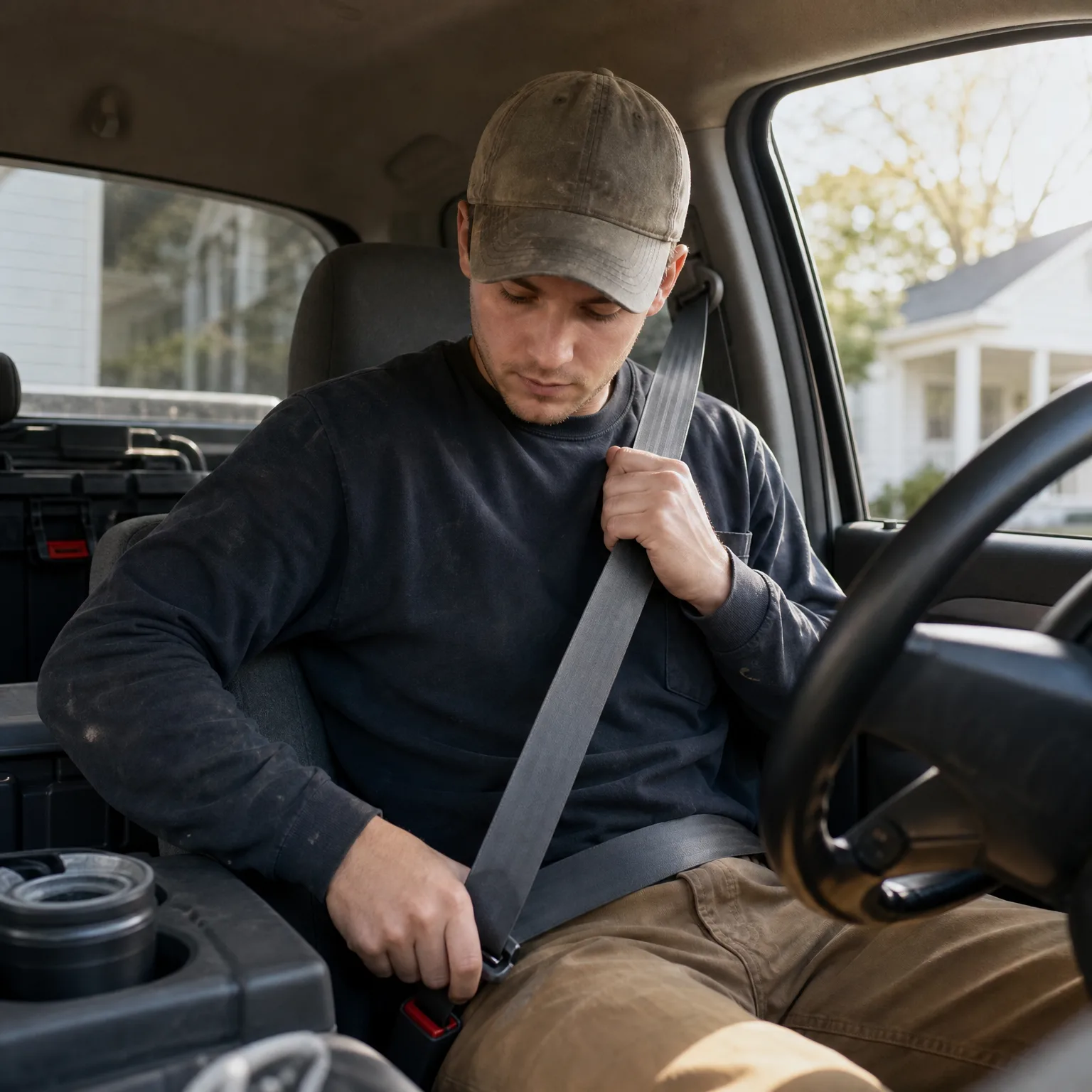
Probationary licenses restrict you to approved purposes: work, school, medical appointments, religious activities, or other BMV-approved necessity. If your approved route requires driving a vehicle you don't own—a family member's car, a carpool arrangement, an employer's vehicle—the non-owner policy covers your liability during those specific trips. The policy does not expand the restrictions the probationary license imposes; it only satisfies the insurance filing requirement.
The ignition interlock requirement applies separately. If Indiana BMV or the court mandates an ignition interlock device for your probationary license, you must install the device in any vehicle you operate—even a borrowed one. The non-owner SR-22 policy and the IID requirement are parallel conditions, not alternatives.
3 years
Indiana SR-22 Filing Duration
Indiana requires continuous SR-22 filing for 3 years following reinstatement for OWI convictions and certain at-fault crashes. The 3-year period begins the day BMV reinstates your license, not the day you purchase the policy. Any lapse restarts the entire 3-year clock.
IC 9-25

Reinstatement Fees and Timeline
Indiana BMV charges a $250 base reinstatement fee for most administrative suspensions. OWI-related suspensions carry higher fees: $500 for a second suspension, escalating further for subsequent offenses. Habitual Traffic Violator suspensions under IC 9-30-10 require a $1,000 reinstatement fee. These fees are separate from the cost of the non-owner SR-22 policy.
The reinstatement timeline depends on your suspension type and whether a hearing is required. Many administrative suspensions allow online reinstatement through mybmv.com once the SR-22 is on file and fees are paid. Court-ordered suspensions and HTV designations typically require an in-person BMV hearing before reinstatement is granted. Schedule the hearing only after confirming BMV has received your SR-22 certificate—the hearing officer cannot approve reinstatement without proof of filing on your record.
Compare Non-Owner SR-22 Carriers Now
Non-owner SR-22 premiums vary significantly by carrier and violation history. Request quotes from at least three carriers that confirm they write non-owner policies with SR-22 filing in Indiana. Provide your exact suspension dates, violation details, and license number—inaccurate information delays underwriting and can result in the carrier refusing to file SR-22 after you've paid the first premium. Verify the carrier will file electronically with Indiana BMV before binding coverage. Start the comparison today so your SR-22 certificate is on file before your reinstatement eligibility date.
How to Obtain Non-Owner SR-22 in Indiana
Contact a carrier that writes non-owner policies in Indiana and explicitly confirm they file SR-22 certificates. Not all carriers offer non-owner policies, and some that do won't attach SR-22 riders. Geico, Progressive, Dairyland, The General, GAINSCO, and Bristol West all write non-owner SR-22 in Indiana as of current market availability. Request a quote specifying you need SR-22 filing. The carrier will ask for your license number, suspension details, and violation dates.
Once you purchase the policy, the carrier files the SR-22 certificate electronically with Indiana BMV. This filing typically processes within 1–3 business days. You can verify receipt by checking your BMV driving record online through mybmv.com or calling the BMV reinstatement unit at 317-233-6000. Do not assume the filing is complete until BMV confirms receipt—carrier processing delays happen, and you cannot schedule a reinstatement hearing without proof the SR-22 is on file.
Get Your Free Quote
Get My Indiana Suspended License Insurance QuoteFrequently Asked Questions
Can I get SR-22 without owning a car in Indiana?
Yes. Indiana allows non-owner SR-22 policies that satisfy BMV filing requirements without insuring a specific vehicle. The policy covers your liability when driving borrowed or rental vehicles and costs $25–$65/mo depending on your violation history.
How long does it take for Indiana BMV to receive my SR-22 filing?
Carriers file SR-22 certificates electronically with Indiana BMV, typically processing within 1–3 business days. Verify receipt by checking your BMV driving record at mybmv.com or calling the reinstatement unit at 317-233-6000 before scheduling a reinstatement hearing.
What happens if I cancel my non-owner SR-22 policy early?
Indiana BMV receives cancellation notices within 24 hours through the INSPECT system. Your license re-suspends automatically the day the carrier reports the lapse, and the 3-year SR-22 filing period restarts from zero when you reinstate again.
Does non-owner SR-22 cover me if I later buy a car?
No. Non-owner policies exclude vehicles you own, lease, or use regularly. You must convert to a standard auto policy with SR-22 before driving a car you purchase. The SR-22 filing transfers without restarting the 3-year period.
Can I use non-owner SR-22 for a probationary license in Indiana?
Yes. If you're eligible for Specialized Driving Privileges under IC 9-30-16, non-owner SR-22 satisfies the insurance filing requirement. The policy covers your liability when driving approved vehicles during restricted hours, but does not expand the probationary license restrictions.
Which carriers offer non-owner SR-22 in Indiana?
Geico, Progressive, Dairyland, The General, GAINSCO, and Bristol West write non-owner SR-22 policies in Indiana. Not all carriers offer this product—confirm explicitly that the carrier files SR-22 certificates with Indiana BMV before purchasing coverage.