
Non-Owner SR-22 Without a Car — Indiana
Free to compare
The Reinstatement Paradox Indiana Suspended Drivers Face
You received notice from the Indiana Bureau of Motor Vehicles that your suspended license can be reinstated — but only after you provide SR-22 proof of financial responsibility. The problem: you don't own a car. You sold it after the suspension, or you were driving someone else's vehicle when the violation occurred, or you rely on rideshare and never owned one. The BMV reinstatement letter doesn't address this reality, and most insurance agents hang up when you explain you need SR-22 without a vehicle to insure.
Indiana's reinstatement framework treats SR-22 as mandatory for OWI convictions, certain at-fault crashes, and habitual traffic violator (HTV) cases under IC 9-25. The statute requires proof of financial responsibility — it does not require vehicle ownership. Non-owner SR-22 policies exist specifically to close this gap, providing liability coverage when you drive vehicles you don't own while satisfying the BMV's filing requirement for reinstatement.
“Indiana's reinstatement system requires SR-22 proof of insurance even when you don't own a vehicle — non-owner policies fulfill this at half the cost.”

Get Insured and Get Your Indiana License Back
Get My Indiana Suspended License Insurance Quote$40–$65/mo
Non-Owner SR-22 Premium Indiana
Non-owner SR-22 policies in Indiana typically cost $40–$65 per month for state minimum liability limits, roughly half the cost of standard auto insurance with SR-22. Rates vary by violation type, age, and county.
Estimates based on non-standard carrier rate filings for Indiana suspended drivers
What Non-Owner SR-22 Actually Covers
A non-owner SR-22 policy is liability-only auto insurance designed for drivers who don't own a vehicle but need state-mandated proof of financial responsibility. The policy provides bodily injury and property damage liability coverage when you drive a car you don't own — a friend's car, a rental, a borrowed family vehicle. It does not cover the vehicle itself; it covers your legal liability if you cause an accident while driving that vehicle.
Indiana requires minimum liability limits of $25,000 per person, $50,000 per accident for bodily injury, and $25,000 for property damage. Your non-owner policy must meet or exceed these minimums. The SR-22 certificate is a rider attached to the policy that electronically notifies the BMV you carry continuous coverage. The carrier files the SR-22 directly with the BMV; you do not submit paper forms.
The policy remains active as long as you pay the premium. If you cancel or lapse, the carrier notifies the BMV immediately through Indiana's INSPECT electronic reporting system, and your reinstatement is revoked. Indiana requires continuous SR-22 coverage typically for three years from the reinstatement date for OWI-related suspensions.

Most agents don't volunteer non-owner policies because commission is lower than standard auto. You must ask for it by name.




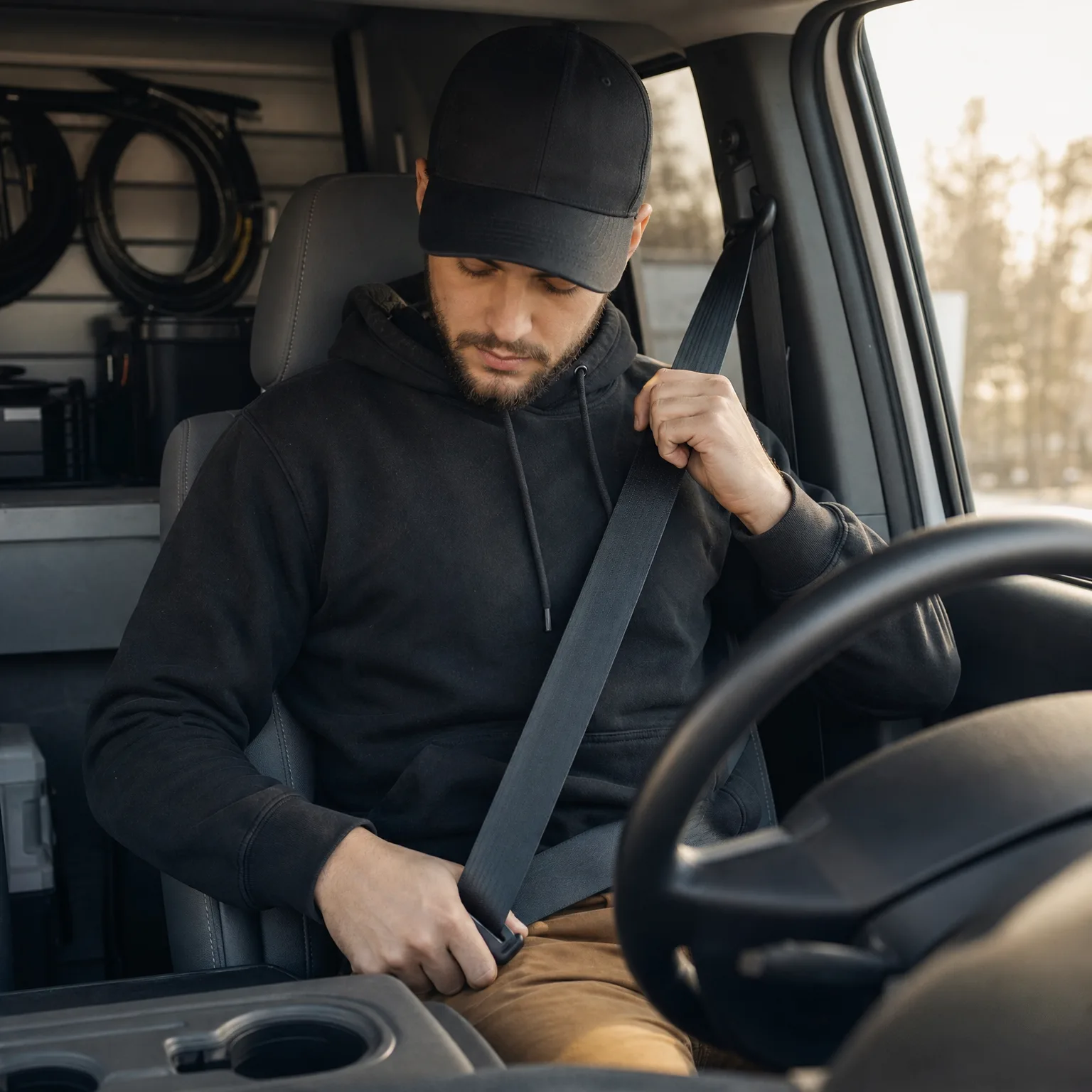


When Non-Owner SR-22 Does Not Apply
Non-owner SR-22 only works if you genuinely do not own a vehicle. If you own a car registered in your name — even if it's parked and undriven — Indiana requires a standard auto insurance policy with SR-22, not a non-owner policy. The BMV cross-references registration records against SR-22 filings. A mismatch triggers an automatic suspension hold.
If someone in your household owns a vehicle and you have regular access to it, carriers may require you to be listed as a driver on that household policy rather than purchasing a separate non-owner policy. This is carrier-specific underwriting policy, not Indiana statute, but refusing to disclose household vehicle access can result in claim denial if you're involved in an accident while driving that vehicle.
Non-owner policies exclude coverage for vehicles you rent for extended periods (more than 30 days) or vehicles furnished for your regular use by an employer. If you drive a company vehicle daily, your employer's commercial auto policy must provide the required liability coverage — non-owner SR-22 will not cover this exposure.
3 years
Indiana SR-22 Filing Period OWI
Indiana typically requires SR-22 filing for three years from the reinstatement date for OWI-related suspensions. The period is measured from when your license is reinstated, not from the conviction or suspension start date. Early termination is not permitted.
IC 9-25 financial responsibility requirements

Reinstatement Timeline and BMV Coordination
Once your carrier files the SR-22 with the BMV, allow three to five business days for the electronic filing to appear in the BMV's system. You cannot complete reinstatement until the SR-22 filing is visible to the BMV clerk processing your case. Attempting to reinstate before the filing posts results in a rejected application and wasted reinstatement fee.
Indiana's base reinstatement fee is $250 for most administrative suspensions. OWI-related reinstatements carry a $500 fee for second offenses. HTV reinstatements under IC 9-30-10 require a $1,000 fee. These fees are separate from the SR-22 policy premium and the carrier's SR-22 filing fee. Pay the reinstatement fee at any Indiana BMV branch or online through mybmv.com once the SR-22 filing is confirmed.
Compare Non-Owner SR-22 Carriers Now
Non-owner SR-22 premiums vary by $20–$40 per month between carriers for the same coverage and violation profile. Geico, Progressive, Dairyland, The General, and GAINSCO all write non-owner SR-22 in Indiana, but their underwriting appetite for specific violation types differs. A carrier that quotes $45/month for one OWI may decline a second OWI entirely, while a non-standard specialist quotes $85/month and approves immediately. Request quotes from at least three carriers before committing. Verify the policy includes Indiana's minimum liability limits and confirms SR-22 electronic filing with the BMV at purchase. Start the quote process now — reinstatement cannot proceed without the SR-22 on file.
How to Obtain Non-Owner SR-22 in Indiana
Direct carriers writing non-owner SR-22 in Indiana include Geico, Progressive, The General, Dairyland, and GAINSCO. You can quote and purchase online or by phone. When requesting a quote, specify non-owner SR-22 immediately — the system defaults to standard auto insurance if you don't. Provide your driver's license number, violation details, and reinstatement letter reference number if available. The carrier files the SR-22 electronically with the BMV within one to three business days of policy purchase.
Independent agents access non-standard carriers like Bristol West and National General that specialize in high-risk filings. Agents can compare multiple carriers in one session, which is useful if your violation history includes multiple OWI offenses or an HTV designation. Expect to pay the first month's premium plus an SR-22 filing fee between $15 and $50 depending on the carrier. Some carriers waive the filing fee if you purchase a six-month policy upfront.
Get Your Free Quote
Get My Indiana Suspended License Insurance QuoteFrequently Asked Questions
Can I get SR-22 insurance in Indiana without owning a car?
Yes. Non-owner SR-22 policies provide liability coverage when you drive vehicles you don't own and satisfy Indiana BMV's SR-22 filing requirement for reinstatement. Carriers like Geico, Progressive, Dairyland, and The General write non-owner SR-22 in Indiana at $40–$65/month typically.
How long does it take for SR-22 to show up in Indiana BMV system?
Carriers file SR-22 electronically with Indiana BMV within one to three business days of policy purchase. Allow three to five business days total for the filing to appear in the BMV's system before attempting reinstatement.
What happens if I cancel my non-owner SR-22 policy early?
The carrier notifies Indiana BMV immediately through the INSPECT electronic reporting system. Your license reinstatement is revoked and your driving privilege is suspended again. Indiana requires continuous SR-22 coverage for the full mandated period, typically three years for OWI cases.
Does non-owner SR-22 cover rental cars in Indiana?
Non-owner SR-22 provides liability coverage when you drive rental cars for short-term rentals (under 30 days). It does not cover physical damage to the rental vehicle itself. For rentals longer than 30 days, you may need a standard auto policy.
Can I buy a car while on non-owner SR-22 in Indiana?
Yes, but you must immediately switch to a standard auto insurance policy with SR-22 once you register the vehicle in your name. Indiana BMV cross-references registration records against SR-22 filings. Maintaining non-owner SR-22 while owning a registered vehicle triggers a suspension hold.
Do all insurance companies offer non-owner SR-22 in Indiana?
No. Standard carriers like State Farm and Allstate typically do not write non-owner SR-22. Geico, Progressive, Dairyland, The General, GAINSCO, Bristol West, and National General are confirmed to write non-owner SR-22 in Indiana as of current underwriting guidelines.
What is the difference between SR-22 and non-owner SR-22?
SR-22 is the certificate of financial responsibility filed with the state. Non-owner SR-22 is a liability-only insurance policy with an SR-22 certificate attached, designed for drivers who don't own a vehicle. Both fulfill Indiana's SR-22 filing requirement for reinstatement.