
Second DUI SR-22 Insurance — Indiana
Free to compare
The SR-22 Ignition Interlock Timing Trap
You've been convicted of your second DUI in Indiana. The BMV letter says you need SR-22 proof of insurance and an ignition interlock device to qualify for a probationary license. You call three carriers — all three ask when your interlock installation date is. You call the interlock vendor — they ask for proof of SR-22 before scheduling installation. Neither will move without the other.
This isn't carrier confusion or vendor incompetence. Indiana's probationary license system requires both documents simultaneously at the point of application, but the procurement path forces a sequence problem. You cannot get the interlock certified without showing the vendor you have continuous SR-22 coverage. Most carriers will not bind a policy until you confirm a vehicle equipped with an interlock. The structural blocker: someone has to go first, and neither party wants liability exposure for being that actor.
“The interlock vendor won't certify until you show SR-22; the carrier won't quote until you confirm the interlock date.”

Get Insured and Get Your Indiana License Back
Get My Indiana Suspended License Insurance Quote$500
Indiana Second-DUI Reinstatement Fee
This base reinstatement fee applies after completing your suspension period and all court-ordered requirements. It does not include the cost of SR-22 filing, ignition interlock installation, or the probationary license application fee.
Indiana Bureau of Motor Vehicles reinstatement fee schedule
What SR-22 Actually Means After a Second DUI
SR-22 is not insurance. It is a certificate your carrier files electronically with the Indiana BMV certifying you carry continuous liability coverage meeting state minimums: $25,000 per person for bodily injury, $50,000 per accident, and $25,000 for property damage. The filing itself costs nothing — carriers charge a one-time processing fee of $15 to $50 to submit it. What changes is the premium: second-DUI drivers pay $85 to $165 per month for liability-only coverage with SR-22, compared to $45 to $70 for drivers with clean records.
Indiana requires SR-22 filing for five years following a second DUI conviction, measured from the conviction date. If your SR-22 lapses for any reason — missed payment, policy cancellation, switching carriers without maintaining continuous coverage — the BMV receives an electronic notification within 24 hours and immediately suspends your driving privileges again. Reinstatement after an SR-22 lapse requires paying the $500 fee a second time and restarting the five-year clock.
The five-year period does not pause during your suspension. If you're suspended for two years and file SR-22 on day one of the suspension, you'll carry it for three years post-reinstatement. If you wait until reinstatement to file, you carry it for the full five years after getting your license back.
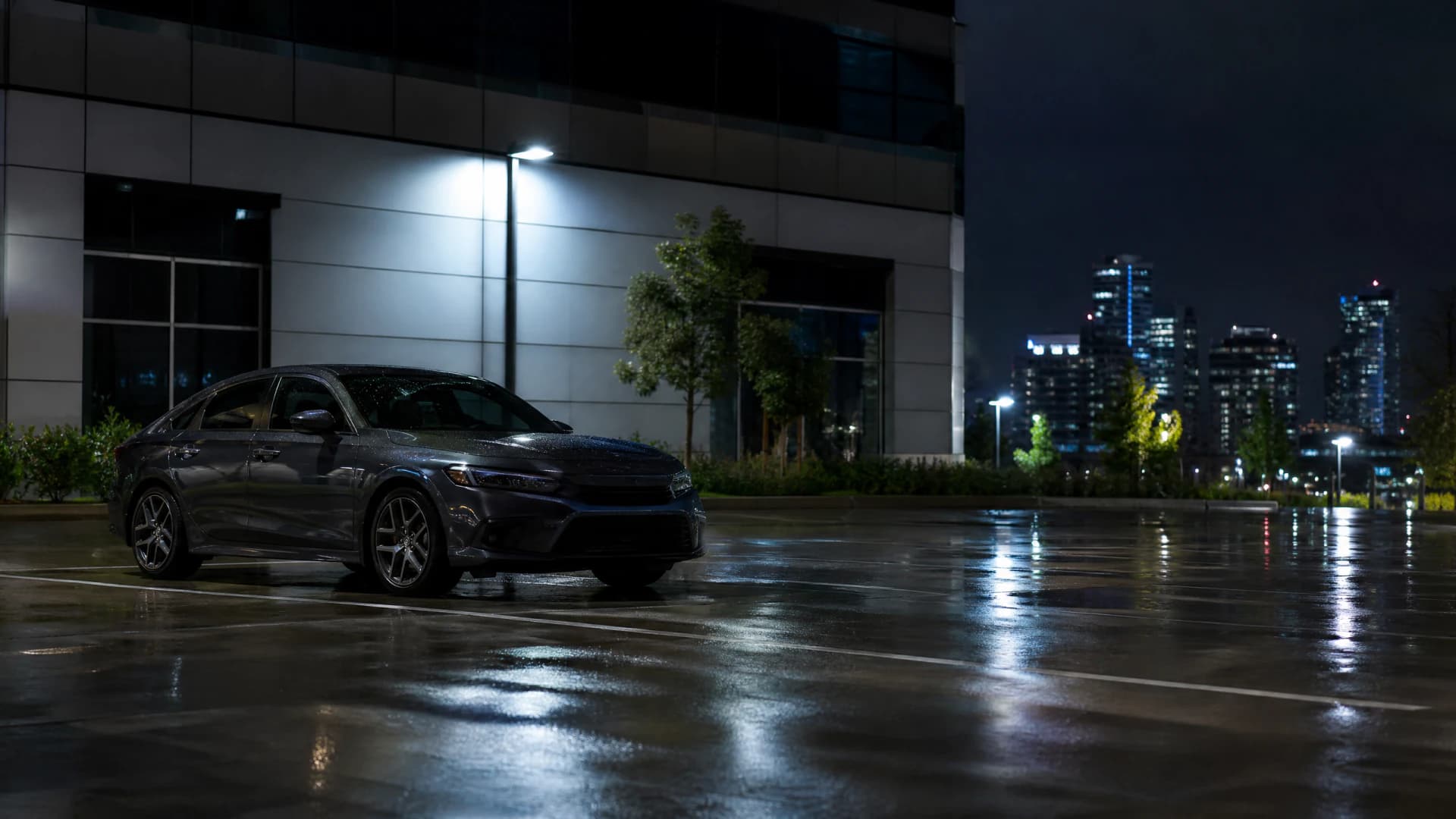
The ignition interlock vendor will not schedule installation until you show proof of active SR-22 coverage. The carrier will not bind SR-22 until you confirm interlock installation or commit to a specific vehicle.


Probationary License Timing and Restrictions
Indiana allows second-DUI offenders to apply for Specialized Driving Privileges during their suspension period, but not immediately. A mandatory hard suspension period applies first — the length depends on your BAC at arrest, prior offenses, and whether you refused the chemical test. For most second-DUI cases, the hard suspension runs 90 to 180 days. During this period, no driving is allowed under any circumstance.
After the hard suspension ends, you may petition the court for Specialized Driving Privileges. The probationary license restricts driving to specific approved purposes: employment, school, medical appointments, court-ordered programs (including DUI education classes and substance abuse treatment), and religious activities. The court sets the permitted hours and routes. Violating the restrictions — driving outside approved hours, driving for unapproved purposes, or failing an interlock breath test — results in immediate revocation of the probationary license and extends your total suspension period.
The interlock device logs every trip, every breath test, and every violation attempt. The vendor downloads this data monthly and reports it to the BMV and the court. A single failed breath test does not automatically revoke your license, but repeated failures or tampering attempts will. Indiana courts have discretion to extend your suspension by up to one year for interlock violations. Estimates based on available industry data; individual results vary.
5 years
Indiana SR-22 Filing Period Second DUI
The five-year requirement begins at conviction, not at reinstatement. If you file SR-22 during your suspension, the post-reinstatement period shortens proportionally. Letting SR-22 lapse at any point restarts the clock and triggers a new suspension.
Indiana Code 9-25 financial responsibility statute
Which Carriers Write Second-DUI SR-22 in Indiana
Not all carriers that write standard auto insurance in Indiana will accept second-DUI applicants. State Farm files SR-22 but typically declines second-DUI drivers outright. Allstate, American Family, and Erie follow similar underwriting guidelines. Drivers with two DUI convictions fall into the non-standard or high-risk tier, where a smaller group of carriers operates.
Progressive, Geico, Dairyland, Bristol West, The General, GAINSCO, National General, and Acceptance Insurance all write second-DUI SR-22 policies in Indiana. Monthly premiums for liability-only coverage range from $85 to $165 depending on age, county, vehicle type, and time since conviction. Drivers under 25 or over 65 pay toward the higher end of that range. Lake, Marion, and Allen counties see higher rates than rural counties due to population density and theft rates. Shopping multiple carriers in this tier can produce a $30 to $50 monthly difference for identical coverage.
Get SR-22 Coverage That Meets Indiana's Requirements
The probationary license application will not move forward without active SR-22 on file with the BMV and a certified ignition interlock device installed in your vehicle. Waiting to address either requirement extends your total suspension period and delays your return to legal driving. Carriers that write high-risk SR-22 policies can bind coverage within 24 to 48 hours and file electronically with the state immediately. Compare quotes from carriers that explicitly handle second-DUI cases in Indiana — the price difference between the highest and lowest quote in the non-standard tier often exceeds $600 per year for the same liability limits.
Breaking the SR-22 Interlock Deadlock
Start with a carrier that writes high-risk drivers and explicitly handles ignition-interlock cases: Progressive, Geico, Dairyland, Bristol West, The General, or GAINSCO. Request a quote for SR-22 liability coverage and tell the underwriter upfront you are required to install an ignition interlock device. The carrier will ask for the vehicle VIN, the planned interlock vendor, and an estimated installation date. Give your best estimate — most carriers will bind the policy contingent on interlock installation within 30 days. Once bound, the carrier files the SR-22 with the BMV electronically, typically within 24 to 48 hours.
With the active SR-22 filing confirmation in hand, contact your court-approved ignition interlock vendor. Indiana maintains a list of certified providers; your probation officer or the court order will reference approved vendors in your county. The vendor requires proof of SR-22, the vehicle registration, and payment for installation (typically $75 to $150 upfront, plus $60 to $90 per month for monitoring and calibration). Schedule installation. Once the device is installed and the vendor certifies it to the BMV, you can apply for the probationary license.
Get Your Free Quote
Get My Indiana Suspended License Insurance QuoteFrequently Asked Questions
Do I need SR-22 if I don't own a car after my second DUI in Indiana?
Yes. Indiana requires SR-22 filing to reinstate your license after a second DUI, even if you no longer own a vehicle. You need a non-owner SR-22 policy, which provides liability coverage when you drive a borrowed or rental car. Progressive, Geico, Dairyland, The General, and GAINSCO all write non-owner SR-22 policies in Indiana, typically costing $45 to $85 per month.
How long does the ignition interlock requirement last for a second DUI in Indiana?
Indiana courts typically order ignition interlock for the full suspension period plus an additional monitoring period after reinstatement, often totaling 18 to 36 months depending on your case. The device must remain installed and operational for the entire court-ordered period. Removing it early or tampering with it extends your suspension and may result in additional criminal charges.
Can I get a probationary license immediately after my second DUI conviction in Indiana?
No. Indiana imposes a hard suspension period of 90 to 180 days for second-DUI offenders before you become eligible to apply for Specialized Driving Privileges. During the hard suspension, no driving is permitted under any circumstance. After that period ends, you may petition the court for a probationary license if you meet all requirements, including SR-22 and ignition interlock installation.
What happens if my SR-22 lapses during my five-year filing period in Indiana?
The BMV receives electronic notification within 24 hours of any SR-22 lapse and immediately suspends your driving privileges. Reinstatement requires paying the $500 reinstatement fee again, filing new SR-22 proof, and restarting the five-year filing period from the date of the new filing. A lapse can add years to your total SR-22 obligation.
How much does SR-22 insurance cost after a second DUI in Indiana?
Liability-only coverage with SR-22 filing costs $85 to $165 per month for second-DUI drivers in Indiana, compared to $45 to $70 for drivers with clean records. Rates vary by age, county, and carrier. Shopping multiple non-standard carriers can save $30 to $50 per month. Estimates based on available industry data; individual rates vary by driving history, vehicle, coverage selections, and location.
Does the five-year SR-22 requirement pause while my license is suspended in Indiana?
No. The five-year SR-22 filing period begins at your conviction date and runs continuously, whether your license is suspended or active. If you file SR-22 during your suspension, the post-reinstatement period shortens. If you wait until reinstatement to file, you carry SR-22 for the full five years after getting your license back.