
Cheap Non-Owner SR-22 Insurance — Indiana
Free to compare
Non-Owner SR-22 When You Don't Have a Car
Your Indiana license was suspended for OWI, excessive points, or uninsured operation. The BMV told you reinstatement requires SR-22 proof of financial responsibility for 3 years. You don't own a vehicle right now. You assume no car means no insurance requirement, but Indiana Code 9-25 mandates continuous liability coverage tied to the driver, not the vehicle. The BMV will not reinstate without an active SR-22 filing, whether you own a car or not.
Non-owner SR-22 insurance exists specifically for this situation. It provides state minimum liability coverage when you drive vehicles you don't own: borrowed cars, rental vehicles, employer-owned fleet. The policy costs significantly less than standard auto insurance because it carries no collision or comprehensive coverage and excludes vehicles registered to your household. The challenge is finding a carrier willing to write the policy after suspension.
“Most carriers decline non-owner SR-22 from suspended drivers because no vehicle triggers fraud flags, even when your need is legitimate.”

Get Insured and Get Your Indiana License Back
Get My Indiana Suspended License Insurance Quote$25–$45/mo
Indiana Non-Owner SR-22 Premium
Monthly cost for state minimum liability coverage (25/50/25) with SR-22 endorsement. Premium varies by age, violation severity, and county. Carriers writing non-owner policies after suspension typically tier pricing based on whether the underlying violation was OWI, points accumulation, or uninsured operation.
Industry rate estimates for Indiana non-standard tier carriers, 2025
Why Carriers Refuse Non-Owner Policies
Standard-tier carriers treat non-owner SR-22 applications as uninsurable risk. State Farm, Allstate, and Liberty Mutual underwriting guidelines flag no-vehicle applications as potential fraud evasion: the carrier assumes you own an undisclosed vehicle and are attempting to bypass vehicle liability premiums. Progressive and Geico write non-owner policies for clean-record drivers but decline most SR-22 filers outright.
Non-standard carriers underwrite suspended drivers daily, but many refuse non-owner policies even when they accept standard SR-22 filings. The structural problem: non-owner coverage eliminates the vehicle as collateral and leaves the carrier exposed to liability claims with no asset verification. Bristol West, The General, and GAINSCO write non-owner SR-22 in Indiana, but approval depends on the specific violation trigger and county underwriting tier.
Dairyland is the most consistent Indiana non-owner SR-22 writer after suspension. USAA writes non-owner policies for military-affiliated drivers with SR-22 requirements, but eligibility is restricted to servicemembers and their families. Geico underwrites non-owner SR-22 selectively: point-accumulation suspensions receive better approval rates than OWI cases.
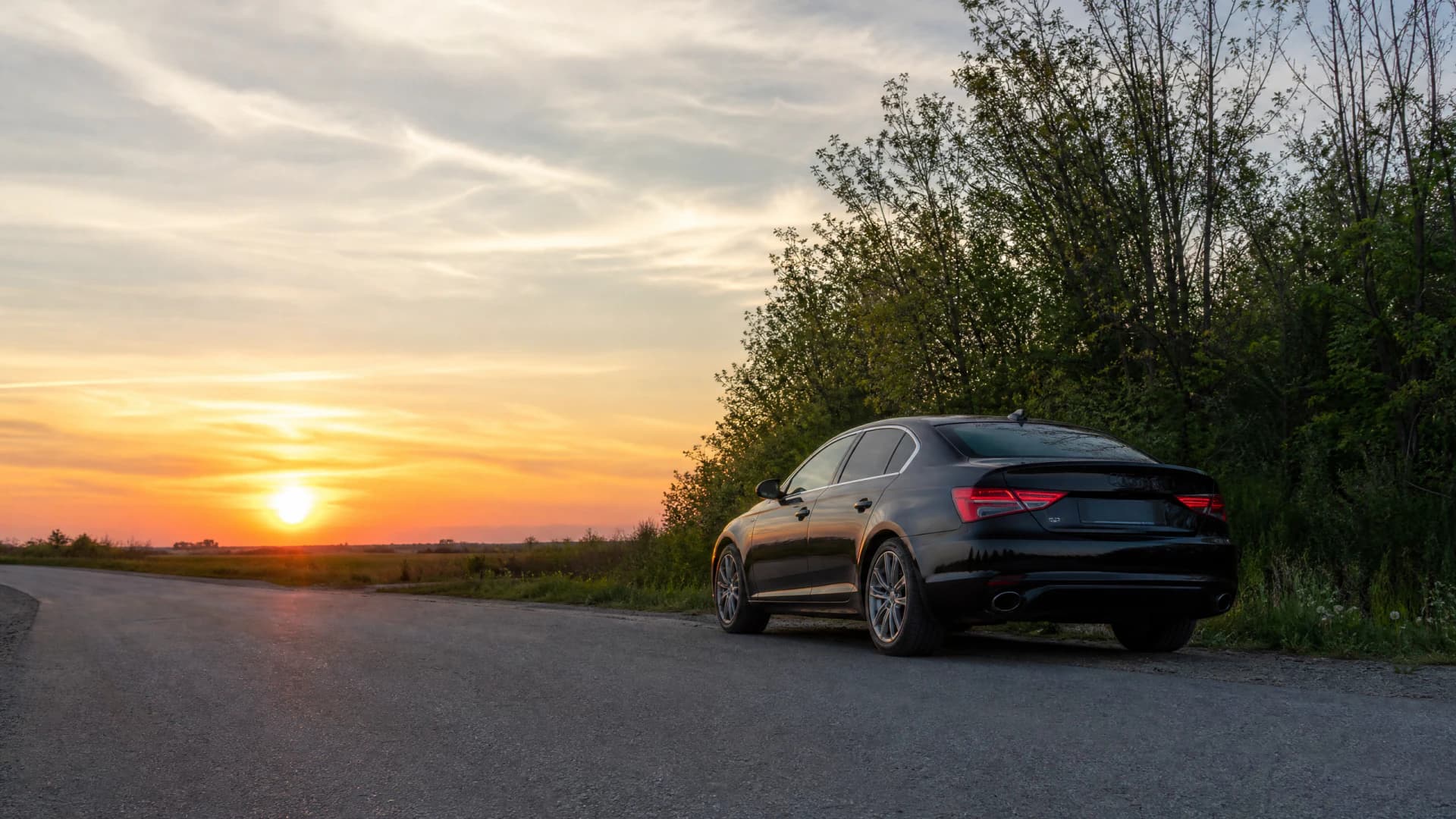
Most carriers decline non-owner SR-22 applications from suspended drivers because no vehicle on file triggers fraud flags in underwriting systems, even when your need is legitimate.






Filing Process and BMV Reinstatement
Apply for a non-owner SR-22 policy directly with a carrier writing Indiana suspended-driver coverage. Provide your driver's license number, suspension notice from BMV, and the specific violation that triggered the requirement. The carrier underwrites the application, issues the policy if approved, and electronically files the SR-22 certificate with the Indiana Bureau of Motor Vehicles. Paper SR-22 certificates are no longer required: the BMV's INSPECT system receives electronic proof within 24 hours of policy activation.
Once BMV confirms SR-22 receipt, you can begin the reinstatement process. Pay the $250 base reinstatement fee (OWI-related suspensions carry a $500 fee for second offenses). If your suspension involved an OWI conviction, complete the Victim Impact Panel and substance abuse evaluation as required under IC 9-30-5. If a Probationary License (specialized driving privilege) was issued during suspension and included ignition interlock, verify IID compliance documentation is current before reinstatement.
Reinstatement does not happen immediately. The BMV processes reinstatement applications within 5–10 business days after all requirements are satisfied. The SR-22 filing must remain active and continuous for 3 years from the reinstatement date. If you cancel the policy, switch carriers without maintaining continuous coverage, or allow a lapse, the BMV re-suspends your license and the 3-year period restarts from zero.
3 years
Indiana SR-22 Maintenance Period
IC 9-25 requires continuous SR-22 filing for 3 years after reinstatement for most violations. The clock starts from reinstatement date, not suspension date or conviction date. Any lapse restarts the entire 3-year requirement.
Indiana Code Title 9, Article 25

Cost Reduction Strategies
Non-owner SR-22 premiums are lower than standard policies, but carriers price suspended-driver risk aggressively. The $25–$45/mo range applies to liability-only coverage at state minimums. Raising liability limits to 50/100/50 increases monthly cost to $35–$60 depending on violation severity and county tier. Indianapolis, Fort Wayne, and Evansville zip codes carry higher premiums than rural counties due to claim frequency data.
Request quotes from multiple non-standard carriers simultaneously. Dairyland, The General, and Bristol West underwrite the same driver profile differently: one may decline while another approves at a lower tier. Payment-in-full discounts reduce annual cost by 5–8% compared to monthly installments. Paperless billing and auto-pay enrollment each save $2–$5 per month. Avoid coverage gaps between quote approval and policy activation: even a single day without active SR-22 filing triggers BMV notification and delays reinstatement.
Compare Non-Owner SR-22 Carriers Now
Non-owner SR-22 approval after suspension depends on matching your violation profile to the right carrier's underwriting tier. Dairyland, The General, GAINSCO, and Bristol West all write Indiana non-owner policies, but each underwrites OWI, points, and uninsured triggers differently. Start with a multi-carrier comparison to identify which carriers will approve your specific case before you pay application fees. Reinstatement timelines depend on continuous SR-22 filing: getting the policy active today shortens the path back to legal driving.
What Non-Owner SR-22 Actually Covers
The policy provides bodily injury and property damage liability when you drive a borrowed car, a friend's vehicle, or a rental. Indiana state minimums are $25,000 per person for bodily injury, $50,000 per accident, and $25,000 for property damage. The SR-22 endorsement costs $15–$25 as a one-time filing fee, then the carrier electronically transmits proof of coverage to the Indiana BMV. If your policy lapses or cancels, the carrier notifies BMV within 10 days and your license is re-suspended immediately.
Non-owner policies exclude vehicles registered to you or your household members, vehicles you use regularly (employer-owned vehicles driven daily often fall into this exclusion), and any vehicle you have regular access to. If you later buy a car, you must convert to a standard policy within 30 days or the non-owner policy will not cover that vehicle. Collision, comprehensive, and uninsured motorist coverage are not available on non-owner policies in Indiana.
Get Your Free Quote
Get My Indiana Suspended License Insurance QuoteFrequently Asked Questions
Can I get non-owner SR-22 insurance after a DUI in Indiana?
Yes. Dairyland, The General, and GAINSCO write non-owner SR-22 policies for Indiana OWI convictions. Approval rates are lower than for point-accumulation suspensions, and premiums run $35–$55/mo depending on BAC level and prior offenses. USAA writes non-owner SR-22 for military-affiliated OWI cases.
How long does Indiana require SR-22 filing after license reinstatement?
Indiana requires 3 years of continuous SR-22 filing after reinstatement for most violations under IC 9-25. The period starts from your reinstatement date, not your suspension or conviction date. Any lapse or cancellation restarts the entire 3-year requirement from zero.
Does non-owner SR-22 cover me if I borrow a friend's car in Indiana?
Yes, if the vehicle is not registered to you or a household member and you don't have regular access to it. Non-owner policies provide liability coverage when you drive borrowed or rental vehicles. They exclude vehicles you own, vehicles registered at your address, and vehicles you use regularly.
What happens if my non-owner SR-22 policy lapses before 3 years?
The carrier notifies Indiana BMV within 10 days and your license is re-suspended immediately. You must purchase a new policy, file a new SR-22, pay reinstatement fees again, and restart the entire 3-year SR-22 requirement from zero. Continuous coverage is mandatory.
Can I switch from non-owner SR-22 to a standard policy if I buy a car?
Yes, but you must maintain continuous SR-22 filing during the switch. Purchase the standard policy before canceling the non-owner policy, confirm the new carrier files SR-22 with BMV, then cancel the non-owner coverage. Any gap between policies triggers re-suspension.
How much does SR-22 filing cost in Indiana?
The SR-22 endorsement itself costs $15–$25 as a one-time fee. This is separate from the insurance premium. Total monthly cost for non-owner SR-22 coverage runs $25–$45/mo for state minimum liability, or $35–$60/mo for higher liability limits like 50/100/50.