
Non-Owner SR-22 for DUI — Indiana
Free to compare
You Need SR-22 Before You Can Apply
You lost your Indiana license after a DUI conviction. You sold the car to cover legal fees, or the loan was in someone else's name and they took it back. You assumed no car meant no insurance requirement. Then you contacted the BMV about applying for Specialized Driving Privileges and they told you that you need proof of financial responsibility—an SR-22 filing—on file before they will even process your SDP application. You don't own a vehicle, so a standard auto policy makes no sense.
This is the procedural blocker that traps most suspended Indiana drivers without vehicles. The SR-22 filing is not optional and it is not something you can delay until after you get the restricted license approved. Indiana law under IC 9-25 and IC 9-30-16 requires proof of financial responsibility as a precondition to SDP eligibility, and that proof takes the form of an SR-22 certificate filed by an authorized carrier with the BMV. Non-owner SR-22 policies exist specifically for this situation. They provide the liability coverage Indiana requires, generate the SR-22 filing the BMV system checks for, and cost significantly less than insuring a vehicle you don't have.
“The BMV will not process your SDP application until SR-22 proof appears in INSPECT—file first, then apply.”

Get Insured and Get Your Indiana License Back
Get My Indiana Suspended License Insurance Quote$35–$65/mo
Non-Owner SR-22 Premium Indiana
Non-owner policies carry liability-only coverage at state minimum limits ($25,000/$50,000/$25,000 in Indiana). Premiums vary by age, county, and DUI conviction date. Post-DUI drivers typically see rates in this range from non-standard carriers.
Estimates based on available carrier rate data for Indiana non-owner policies; individual quotes vary.
What a Non-Owner Policy Actually Does
A non-owner auto insurance policy provides liability coverage when you drive a vehicle you do not own. It does not cover a specific car—it follows you as the named insured. If you borrow a friend's vehicle, rent a car, or use a family member's vehicle occasionally, the non-owner policy's liability limits apply if you cause an accident and the vehicle owner's insurance is insufficient or excluded. The policy does not provide collision or comprehensive coverage because you do not have an insurable interest in someone else's property.
For suspended Indiana drivers, the non-owner policy serves a second critical function: it allows a licensed carrier to file an SR-22 certificate with the BMV on your behalf. The SR-22 is not insurance itself—it is a state-mandated proof-of-insurance form that confirms continuous liability coverage is in force. Indiana requires SR-22 filing for DUI convictions, and the BMV's electronic INSPECT system tracks SR-22 status in real time. When a carrier files your SR-22, the BMV receives electronic confirmation within 24 to 48 hours. That filing must be active before your SDP application will be accepted.
The non-owner policy keeps the SR-22 active for as long as you maintain the policy. If you cancel the policy or miss a payment, the carrier notifies the BMV electronically, your SR-22 lapses, and any driving privileges tied to that filing are suspended immediately. Most Indiana DUI suspensions require three years of continuous SR-22 coverage from the conviction date. The non-owner policy maintains that requirement until you purchase a vehicle and convert to a standard owner policy with SR-22 endorsement.

The BMV will not process your SDP application until SR-22 proof appears in INSPECT. Filing after application wastes weeks—file first, then apply.




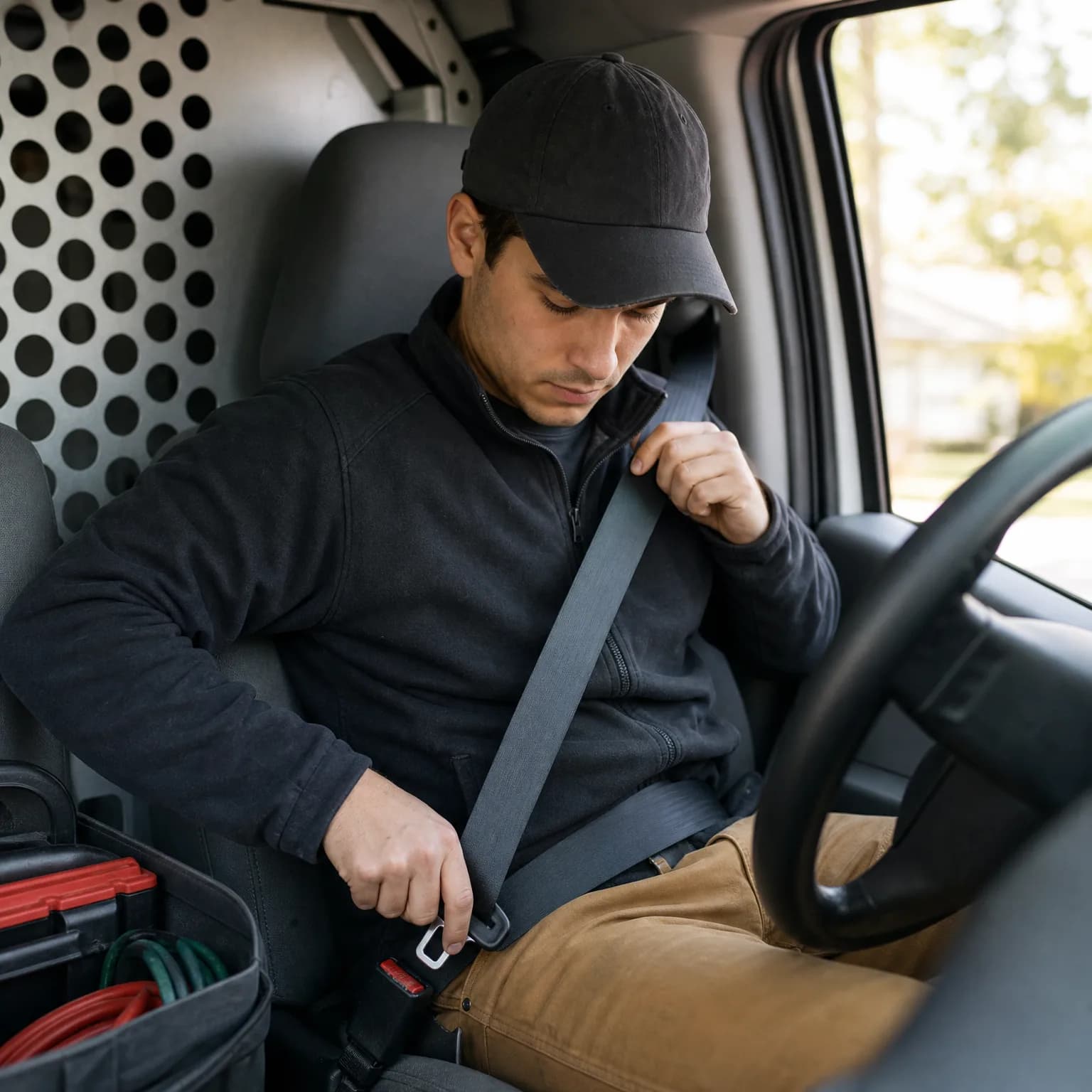
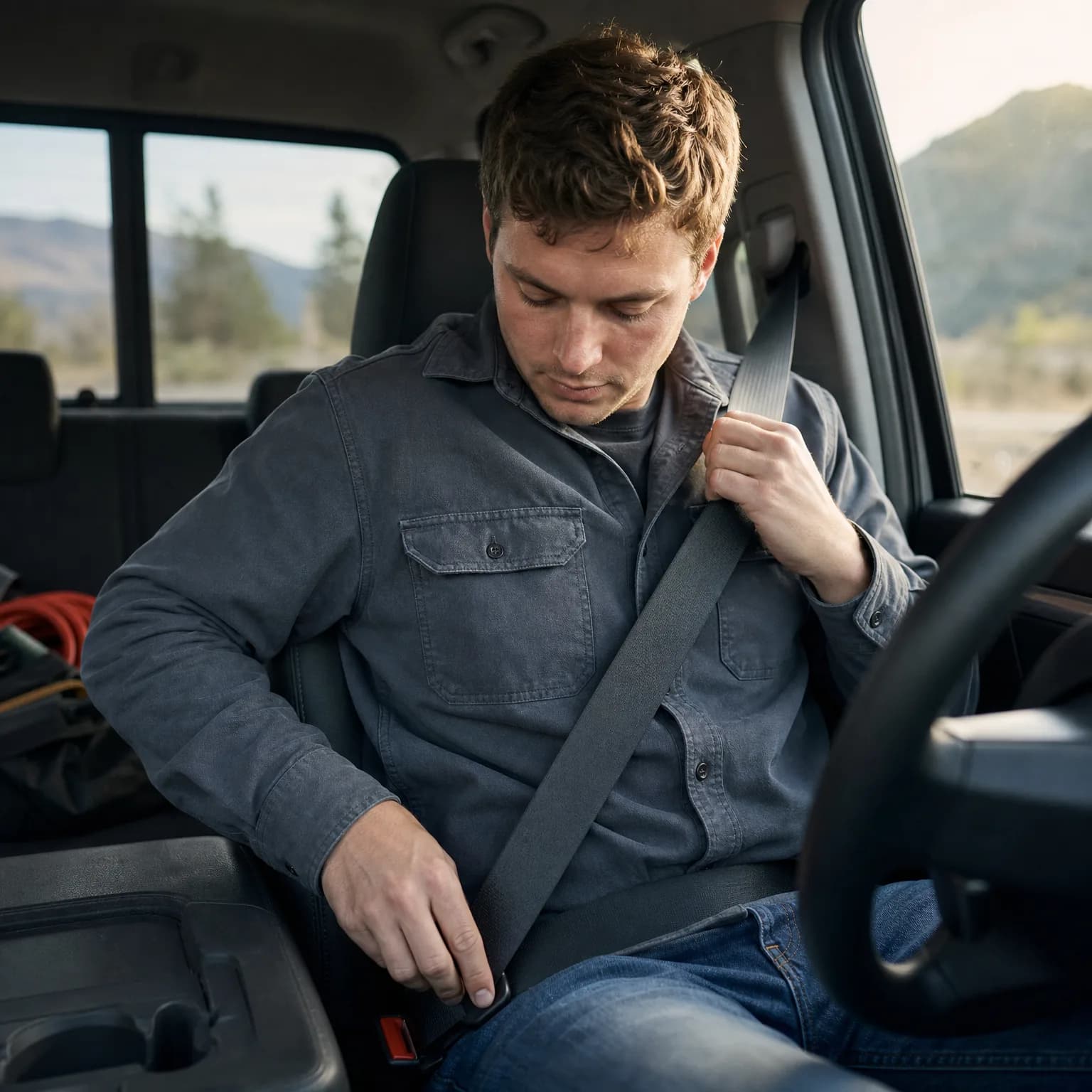

Non-Owner SR-22 vs Standard Policy SR-22
If you own a vehicle, you cannot use a non-owner policy. Indiana law requires vehicle owners to carry liability coverage on the registered vehicle, and the SR-22 must be attached to that vehicle's policy. A non-owner policy provides no coverage for a vehicle you own, and attempting to use one while owning a registered vehicle in your name violates the policy terms. The carrier will cancel the policy, your SR-22 lapses, and the BMV suspends your driving privileges again.
If you purchase a vehicle after buying non-owner coverage, notify your carrier immediately. Most carriers will convert your non-owner policy to a standard owner policy with SR-22 endorsement on the new vehicle, maintaining continuous SR-22 filing without interruption. If you switch carriers instead, the new carrier must file a new SR-22 before the old carrier cancels the non-owner SR-22. Any gap in SR-22 coverage—even one day—resets your three-year SR-22 clock and triggers BMV suspension of your SDP.
Standard owner policies with SR-22 endorsement cost more than non-owner policies because they include collision, comprehensive, and higher liability limits tied to the insured vehicle. Post-DUI drivers typically pay $180 to $280 per month for full-coverage owner policies in Indiana, compared to $35 to $65 per month for non-owner SR-22. If you do not own a vehicle and do not plan to purchase one soon, the non-owner policy is the correct and cheaper option.
3 years
Indiana SR-22 Duration Post-DUI
Indiana requires continuous SR-22 filing for three years from the DUI conviction date under IC 9-25. The SR-22 period runs concurrently with suspension and SDP periods, but does not end when driving privileges are reinstated. Any lapse in coverage during the three-year window resets the clock.
Indiana Code Title 9, Article 25
Timing SR-22 Filing With SDP Application
Indiana courts may grant Specialized Driving Privileges under IC 9-30-16 after a mandatory hard suspension period. For first-offense DUI convictions with BAC between 0.08 and 0.15, the hard suspension period is typically 30 days. For BAC 0.15 or higher, or for refusal to submit to chemical testing, the administrative suspension is 180 days with a longer hard period before SDP eligibility. The exact hard period depends on your specific case, prior offenses, and whether the suspension was administrative (BMV-imposed under IC 9-30-6) or judicial (court-ordered under IC 9-30-5).
You cannot apply for SDP during the hard suspension period. Once the hard period ends, you may petition the court that handled your case for Specialized Driving Privileges. The court will require proof of SR-22 filing, proof of enrollment in or completion of an alcohol and drug services program, payment of applicable court fines and fees, and an ignition interlock device installation affidavit if IID is required. SR-22 filing must be active before the court hearing—bring a copy of your SR-22 certificate and confirm the BMV shows it on file. Courts will not grant SDP without verified SR-22 proof.
Compare Carriers Writing Non-Owner SR-22
Non-owner SR-22 premiums vary by $30 or more per month between carriers for the same driver profile. Dairyland, Bristol West, and The General specialize in high-risk and non-standard auto coverage and typically offer competitive non-owner rates for post-DUI drivers. Geico and Progressive write non-owner policies but may price them higher for DUI convictions depending on county and conviction date. GAINSCO operates in Indiana and writes non-owner SR-22 but requires phone quotes in most cases. USAA writes non-owner SR-22 policies but membership is restricted to military servicemembers, veterans, and eligible family members.
Request quotes from at least three carriers. Provide your Indiana driver's license number, DUI conviction date, the county where you reside, and confirm you need SR-22 filing. Some carriers offer online quotes for non-owner policies; others require phone contact. Processing time for SR-22 filing after binding coverage is one to two business days in most cases. Compare not only premium cost but also the carrier's SR-22 filing reliability—some carriers file same-day electronically, others take 48 to 72 hours. Filing speed matters if your SDP court hearing is approaching.
How to Buy Non-Owner SR-22 Coverage
Request a quote for non-owner liability coverage at Indiana state minimum limits or higher. Provide your driver's license number, DUI conviction date, and confirm you need SR-22 filing. Carriers writing non-owner SR-22 in Indiana include Geico, Progressive, Dairyland, The General, GAINSCO, Bristol West, and USAA (military-affiliated only). Not every carrier offers non-owner policies, and some price them higher than others for post-DUI drivers. Compare at least three quotes.
Once you bind coverage and pay the first month's premium, the carrier files the SR-22 certificate electronically with the Indiana BMV. Filing typically completes within one to two business days. You can verify SR-22 status by checking your mybmv.in.gov account or calling the BMV Customer Service line at 888-692-6841. Do not apply for Specialized Driving Privileges until you confirm the SR-22 appears in the BMV system. Applications submitted without active SR-22 proof are rejected, and you lose the application fee with no refund.
Get Your Free Quote
Get My Indiana Suspended License Insurance QuoteFrequently Asked Questions
Can I get a non-owner SR-22 policy if I don't have a valid driver's license?
Yes. Indiana carriers will issue non-owner SR-22 policies to suspended drivers because the SR-22 filing is required to apply for Specialized Driving Privileges or reinstatement. You do not need a valid license to buy the policy—you need the policy to regain the license.
How long does it take for the SR-22 to show up in the BMV system?
Carriers file SR-22 certificates electronically with the Indiana BMV through the INSPECT system. Filing typically completes within 24 to 48 hours after you bind coverage and pay the first premium. Verify SR-22 status on mybmv.in.gov before applying for Specialized Driving Privileges.
What happens if I miss a payment on my non-owner SR-22 policy?
The carrier cancels the policy and notifies the BMV electronically. Your SR-22 lapses immediately, and the BMV suspends any driving privileges tied to that filing. The three-year SR-22 requirement clock resets, and you must refile SR-22 and wait for BMV processing before reapplying for SDP.
Do I still need SR-22 after my Specialized Driving Privileges end?
Yes. Indiana requires continuous SR-22 filing for three years from the DUI conviction date, not from the date your SDP ends or your full license is reinstated. Maintain the SR-22 policy for the full three-year period or the BMV will suspend your license again.
Can I switch from non-owner SR-22 to a standard policy with SR-22 if I buy a car?
Yes, but the switch must happen without any gap in SR-22 coverage. Notify your current carrier to convert the non-owner policy to a standard owner policy, or bind a new policy with SR-22 endorsement before canceling the non-owner policy. Even one day without active SR-22 resets your three-year clock.
Which carriers in Indiana offer the cheapest non-owner SR-22 policies?
Dairyland, Bristol West, and The General typically offer competitive non-owner SR-22 rates for post-DUI drivers in Indiana, with monthly premiums starting around $35 to $50. Geico and Progressive also write non-owner policies but may price higher depending on conviction date and county. Compare at least three quotes.